If you use a computer for hours a day for work, study, business, admin, or just surviving modern life online, buying the cheapest possible machine is usually a false economy. You save money once, then pay for it every day in slowness, friction, and irritation. It boots. It runs Windows. It has a keyboard and a screen. So how bad could it be?
Bad enough that repair shops see the same low-end machines again and again, often within two or three years, and sometimes much sooner. Cheap laptops are not designed to be good. They are designed to hit a price point, and that one constraint quietly poisons everything else. When manufacturers chase the lowest possible price, longevity is usually the first thing to disappear. Plastic chassis flex under normal use, hinges loosen or crack, keyboards feel hollow, trackpads miss clicks, and screens are dim, washed out, and tiring to stare at for long periods.
These machines are not built to age gracefully. They are built to survive a warranty period and not much more. After that, performance drops, batteries fade, physical wear becomes obvious, and the laptop becomes technically functional but practically miserable to use. That is not bad luck. That is the expected outcome.
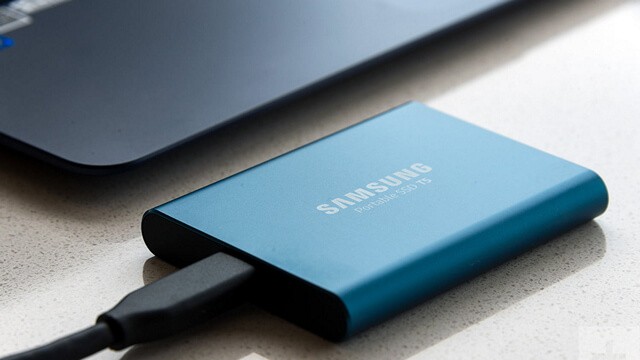
Performance is another area where cheap laptops disappoint in subtle but constant ways. On paper, the specs often look acceptable. In reality, the CPUs are low-power, the RAM is often limited or soldered, and the SSD is usually the slowest tier available. Cooling is minimal, so performance drops as soon as the system warms up.
The result usually is not outright failure. It is friction. Clicks lag. Apps hesitate. Browsers chew through memory. Windows Updates run for hours. Multitasking feels strained, and the whole system feels slightly behind your intentions all the time. That feeling rarely goes away.
Modern Windows makes this worse, not because Windows is unusable, but because it has moved on. It expects fast storage, enough memory to keep multiple apps alive, and a CPU that can sustain performance instead of briefly spiking and then collapsing into sadness. Cheap laptops technically meet the minimum requirements, but “minimum” usually means “it boots”, not “it is pleasant to use”.
For a genuinely smooth Windows experience today, the realistic baseline for a typical user is an i5 or Ryzen 5 processor, 8GB of RAM, and an NVMe SSD. And if you open more than a dozen tabs and several programs at a time, 16GB is a must. Not because everyone is a power user, but because the operating system itself has become demanding.
This is why Chromebooks exist and why they are so common at the low end. They work around weak hardware by limiting what you can do. For web browsing, email, and basic documents, they can be fine. For anything beyond that, such as full desktop software, specialised apps, offline work, or long multitasking sessions, they hit a wall quickly. Chromebooks are not simply cheaper laptops. They are restricted systems designed to mask hardware limitations. That can be a valid choice if your needs are small and fixed, but many people outgrow them.
This is also why Apple does not sell $300 laptops. A $300 MacBook would require the same ugly compromises: weak performance, poor screens, bad battery life, fragile build quality, and unpleasant input devices. Apple refuses to play that game because it would damage the product and the brand. The cheapest MacBook Air is usually around $1,500, and even on sale it is still well over $1,000. That sounds expensive until you compare it with the daily misery of a bargain-bin laptop pretending to be a productivity tool.
Repairability is the final problem. Budget laptops are often not designed to be repaired properly. Batteries can be glued in or hard to source, screens can cost nearly as much as the laptop, keyboards may be riveted into the chassis, and major components are often soldered to save a few dollars during manufacturing. When something fails, repairs often stop making financial sense. The machine becomes e-waste long before its time, which is exactly how the economics were planned. Humanity, as usual, has turned landfill into a subscription model.
The real cost is not just measured in dollars. It is measured in time and patience. If you spend your days on a computer, it is not a casual purchase. Slow boots, laggy logins, freezing apps, painful updates, weak batteries, and unreliable hardware all add up. You might save a few hundred dollars upfront, but you pay for it daily in frustration and lost momentum.
People already understand this logic in other areas of life. Nobody buys the cheapest shoes if they walk all day, the cheapest mattress if they care about sleep, or the cheapest car if they rely on it. A computer is where modern life happens: work, study, banking, communication, creativity, business, tax records, family photos, and all the other digital clutter civilisation has somehow made mandatory. Treating it as a disposable bargain item makes no sense.
Better does not always mean new or expensive. A well-built refurbished computer with decent hardware will usually feel faster, last longer, and cause far less frustration than a brand-new cheap laptop from the bottom shelf. Quality hardware ages better. Cheap hardware just ages.
That is the idea behind our Winter Sale.
With the end of the financial year coming up, now is a good time to replace an old, slow, or unreliable machine, especially if you use it for work or business. This week, refurbished laptops and Macs are up to 26% off, putting genuinely decent machines well under $1,000. We currently have several refurbished iMacs available, plus number of Windows, Chromebooks and Macs, starting from just $225.
That is not about luxury. It is about buying something solid enough to stay out of your way, without paying new-device prices. Cheap computers on sale are not always bargains. Often, they are compromises stacked on top of compromises. They cost less once and more every day after. If you spend hours on a device, you deserve more than the bare minimum. Life is hard enough. Your computer does not need to make it harder.